

Market Insights
Why networking matters for aspiring leaders
Gavin McDonald | Partner, Executive & Leadership • August 27, 2026
When people think about career development, they often focus on formal training, qualifications and experience. While these are all important, one of the most valuable investments you can make in your professional growth is networking.
Networking is about much more than swapping contact details or adding connections on LinkedIn. It's an opportunity to build meaningful relationships with people in your line of work, learn from those with different experiences, and expand your perspective beyond your immediate role or company.
As recruiters, we've seen first-hand the impact a strong professional network can have throughout someone's career. We've also seen the opposite. Many senior professionals leave networking until far too late, particularly those who remain with the same organisation for many years. Often, it's only after a redundancy, organisational restructure or unexpected job loss that they begin building connections outside their immediate workplace. By that point, they tend to realise that meaningful networks take time to build and wish they had started much earlier.

Career opportunities
One of the most obvious benefits of networking is access to career opportunities. Networking events provide the chance to meet hiring managers, recruiters and key decision-makers face-to-face. Building genuine relationships through conversation and connection can often lead to opportunities that may never be formally advertised. Even if a role isn't immediately available, making a positive impression and establishing a professional relationship can create future opportunities when the timing is right.
Knowledge and learning
Many networking events feature guest speakers who share their expertise, insights and experiences. Hearing how others have navigated challenges, overcome setbacks or progressed their careers can be incredibly valuable.These stories can inspire you to try something different, rethink your approach or pursue a path you may not have previously considered.
Networking with peers is equally valuable. Conversations with professionals working in similar roles can provide fresh ideas, different perspectives, and practical tips that you can apply in your own workplace. Learning how others approach challenges is often one of the most powerful forms of professional development.
Building a professional support network
Having a strong professional network can provide access to a valuable support system throughout your career. By building relationships with people in similar or more senior positions, you create opportunities to seek advice, discuss challenges and gain guidance from their experiences. Networking can also help you connect with potential mentors who can support your development, share their experiences and help you build the skills and confidence needed to progress into leadership roles.

Developing a personal brand
Networking provides an opportunity to showcase your expertise and build awareness of your professional strengths. By contributing to conversations, sharing your experiences and offering valuable insights, you begin to establish a reputation within your field. Over time, this can help position you as a subject matter expert or thought leader in your area of expertise. As your network grows, opportunities may arise to participate in panel discussions, present at events or contribute to industry conversations, further strengthening your personal brand and professional credibility.
Business development and relationship building
For those looking to grow a business, networking can be an effective way to build credibility and create new opportunities. Networking events often bring together potential customers, partners, suppliers and collaborators in a more relaxed environment than a traditional sales meeting. Through genuine conversations, knowledge sharing and relationship building, trust develops naturally. These connections can lead to referrals, partnerships, new business opportunities and long-term professional relationships that deliver value well beyond the initial meeting.
Expanding industry knowledge
Networking also provides valuable insight into what's happening across the market. By speaking with professionals from a range of organisations and industries, you gain a broader understanding of emerging trends, market challenges and competitor activities. You may also learn which organisations are growing, evolving or actively recruiting. This knowledge can help you identify opportunities, make more informed career decisions and stay ahead of changes within your industry.
For aspiring leaders, networking should not be viewed as an occasional activity but as an ongoing part of professional development. The relationships you build today may become future mentors, colleagues, business partners, clients or employers. More importantly, networking exposes you to new ideas, different perspectives and opportunities that can accelerate your growth in ways that formal training alone often cannot. The most successful networkers are not those who focus on what they can gain, but instead on building genuine, mutually beneficial relationships. Approach networking with curiosity, authenticity and a willingness to learn, and the benefits will extend far beyond your next career move.
The most effective approach is to view networking as an ongoing investment in your career, rather than something to turn to when you suddenly need it. For aspiring leaders in particular, it can play a significant role in accelerating both personal and professional growth.
Interested in attending a networking event?
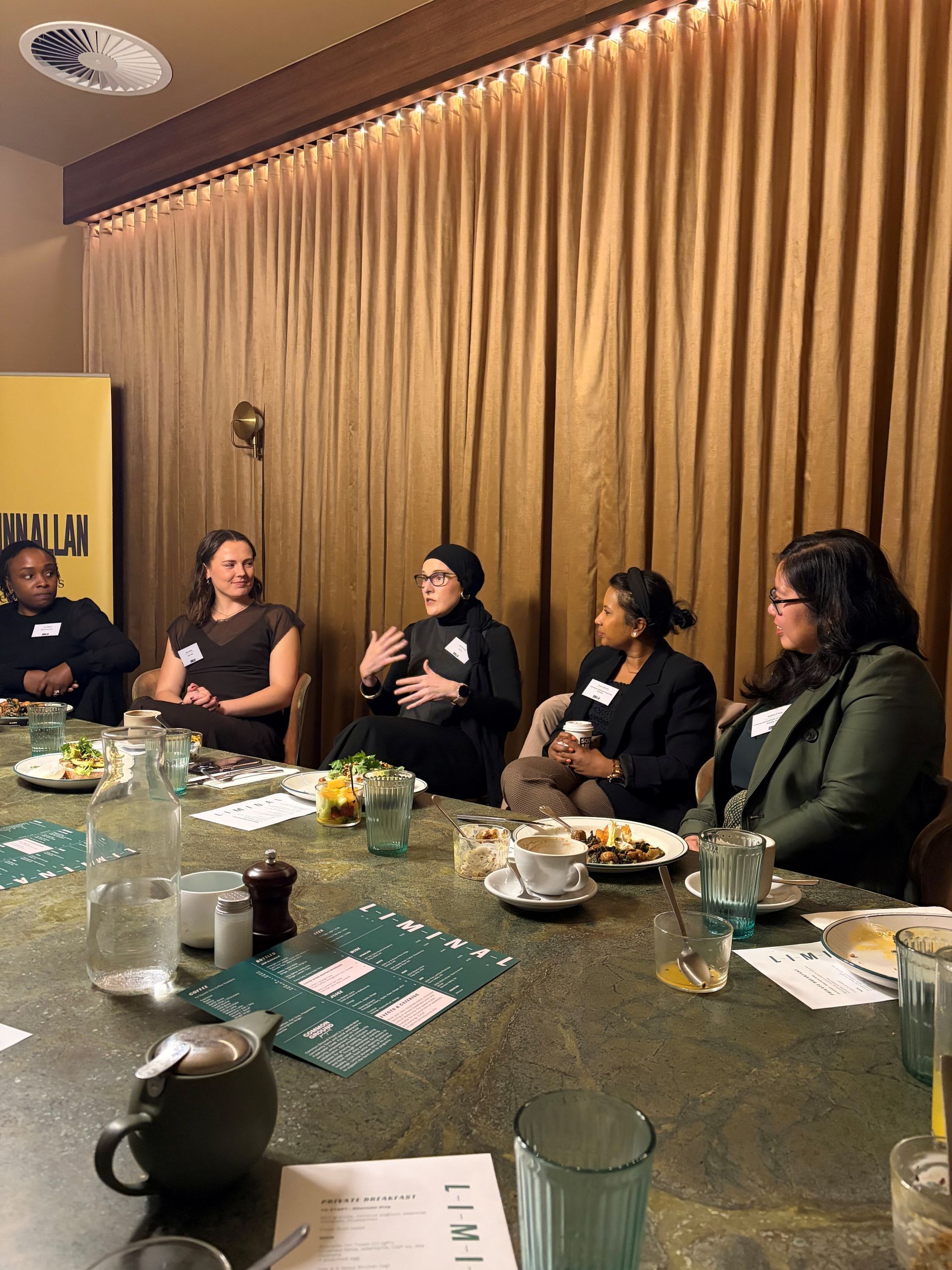
Quinn Allan runs regular networking sessions designed for senior executives, aspiring leaders and professionals who value shared insight, meaningful connection and ongoing capability development.
Recent posts
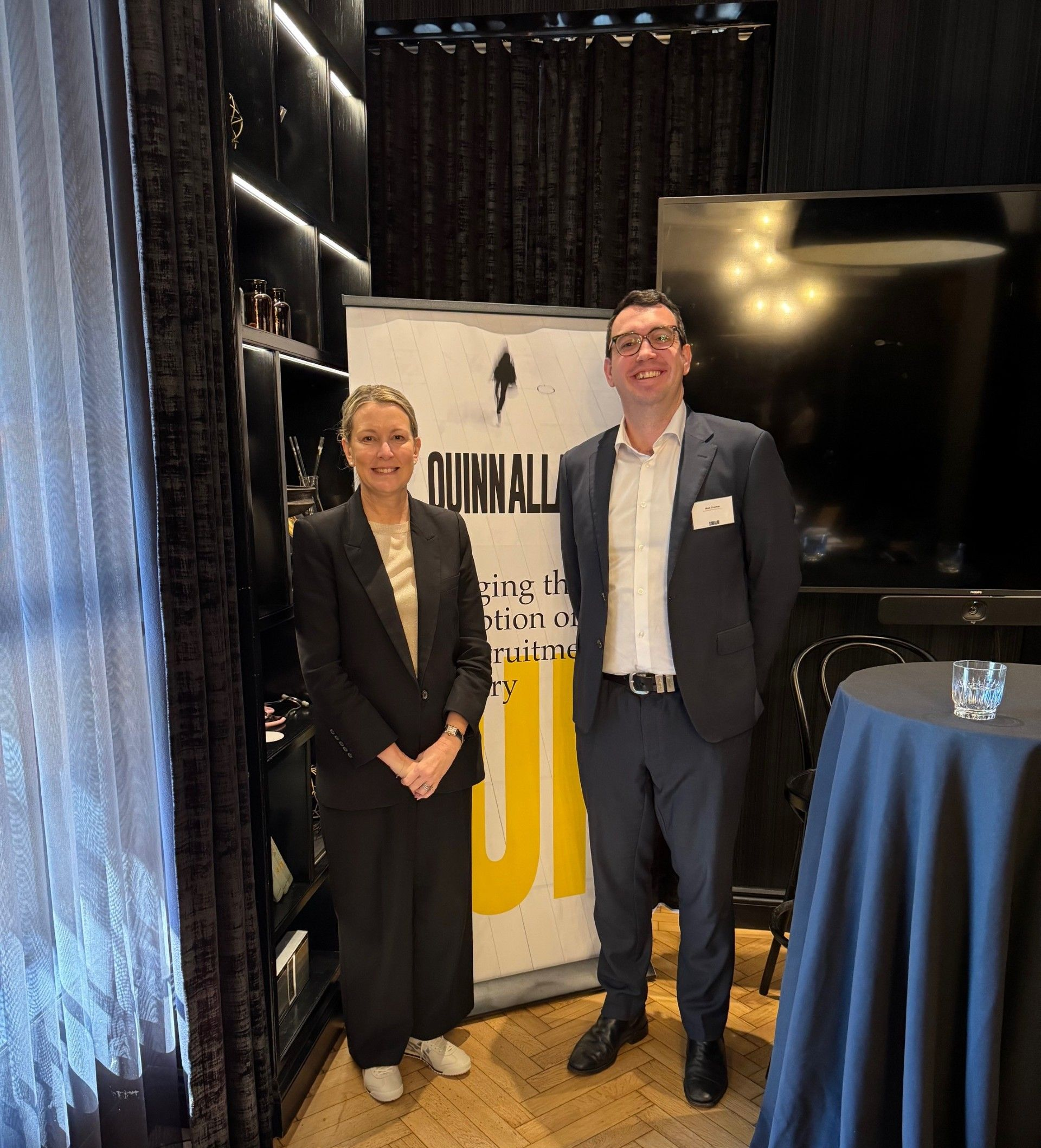
By Mark Charlton | Partner, Accounting & Finance
•
August 27, 2026
Insights from our Senior Finance Leaders event with presenter Gail Jukes on evolving from finance leader to executives
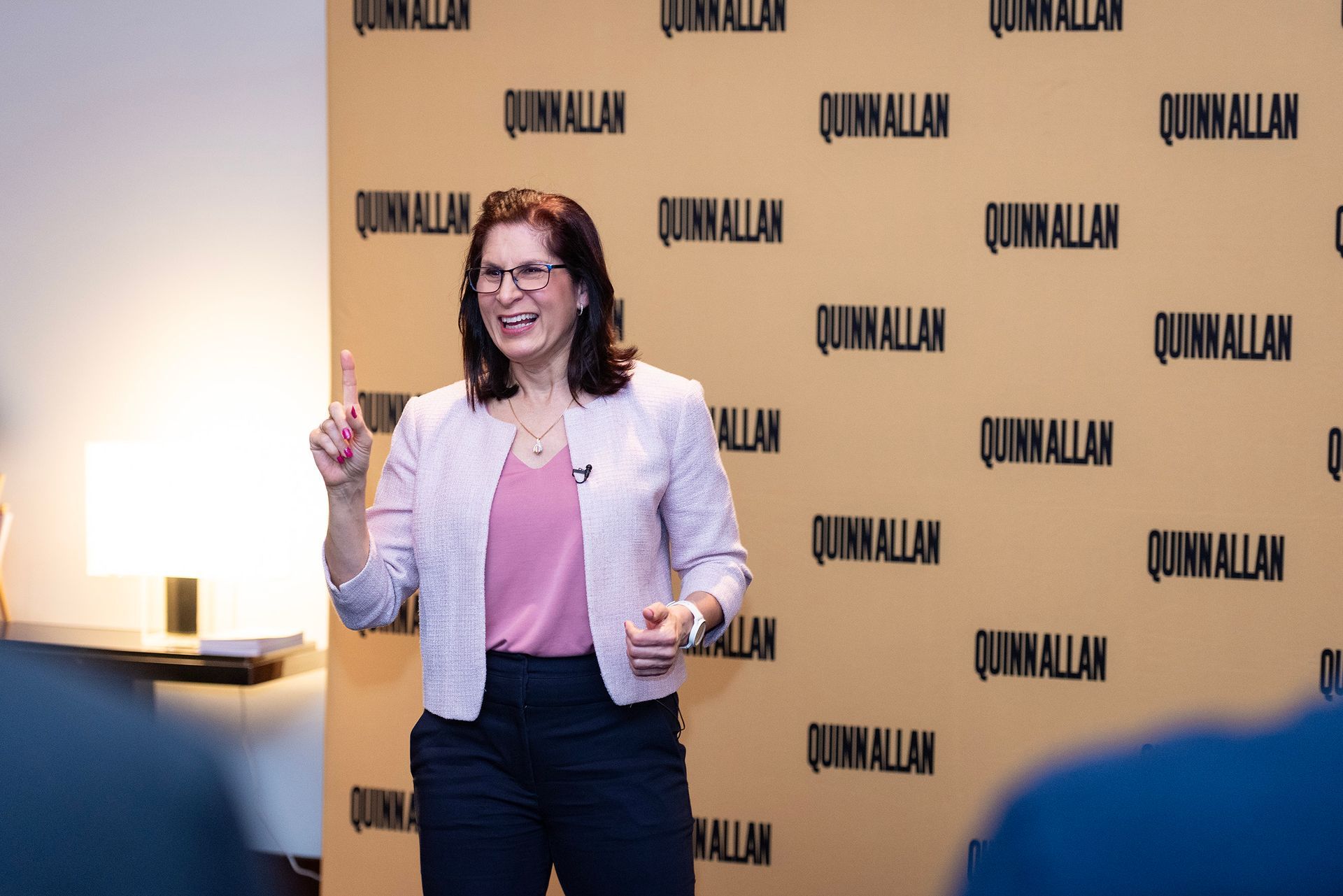
By Karen O'Brien | Partner, Human Resources
•
August 11, 2026
Explore insights from our HR and Procurement networking event with Sarah Hochholzer on tackling difficult conversations.
By Rachel Morton | Partner, Accounting & Finance
•
July 8, 2026
Insights from the Bold Women, Bold Futures breakfast. Finance leaders joined together to learn and connect with other professionals